
Enterprise Mobility Management or EMM came into existence in 2007, when the multinational technology company Apple was taking over the market. Within this wave, the BYOD (Bring your own devices) trend also slowly started making its place.
In BYOD, people started carrying their devices to work and an additional responsibility of data security was added into the organization’s bucket.
Earlier, EMM was referred to as Mobile device management (MDM). MDM solely focused on managing the data on employee’s mobile. But with ongoing innovations in technology, the category of devices had to be broadened and EMM took over.
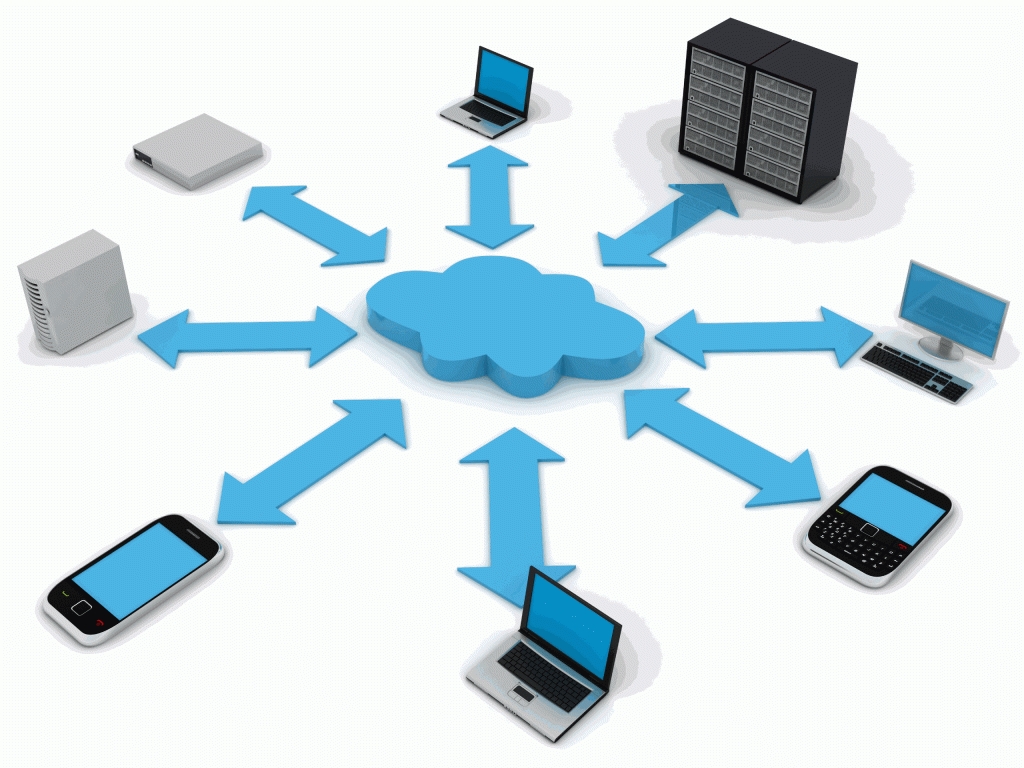
Enterprise Mobility Management is the consolidation of tools, technologies, and processes to govern and secure the company’s sensitive data on the employee’s device.
The implementation of EMM varies for every organization. Some organizations want to have hold of even the minutest data and detail of employee’s device, whereas, some just want to secure the company applications.
The organization can choose from one of the components of EMM, which are-
Mobile Device Management (MDM). MDM integrates a profile in the employee mobile, with help of which the IT people remotely encrypt, control, and enforce policies on tablets and smartphones.
Mobile Application Management (MAM). MAM is used to manage the applications on a mobile device remotely. It can be used for installation, upgradation & license management of apps.
Mobile Identity Management (MIM). MIM is used to make sure that only approved users and devices gain access to secured corporate data.
Mobile Information Management (MIM). MIM is tied to MAM and MDM and is about accessing the remote databases from mobile devices.
Mobile Content Management (MCM). MCM is used to control access to data on mobile devices. It maintains the content, access & edit rights, and ensures file protection.
Mobile Expense Management (MEM). MEM is used to track mobile communication expenses, control costs, and audit mobile usage.
Here are a few reasons why you should consider EMM for your organization-
Security
In organizations, there is an exchange of data and sensitive information every minute. This information may include trade secrets, acquisition plans, financial data and supplier and customer information. With BYOD policy, the risk of this data getting tampered increases, in case if the device gets stolen or misplaced.
By integrating EMM into the devices, deletion is triggered on the lost device from remote system endpoint and remote wipe is initiated. This remote wipe distinguishes between the apps and personal data and then targets to delete data from particular apps or from the entire device.
Productivity
With EMM, organizations observe increased productivity and hence growth in their ROI too. Today’s workforce is highly tech-savvy and they know their devices very well. EMM facilitates less training so the employees can get work done faster and give a good turnover.
It also provides employees with more flexible schedules, heightened creativity, innovation, better workplace collaboration, and liberty to perform business operations at any time & place. Hence, this enhanced digital communication and flexibility will lead to higher productivity and smooth engagement.
Data Accuracy and Device Sharing
EMM gives the liberty to share and access data within the team or the entire organization. The ability to share the device screen, collaborate and communicate via social media chats, comments, and videos enhances knowledge and easy internal processes.
All of this in your EMM solution can lead to improved accuracy of data and better productivity.
Process Efficiency
If employees use their own devices, they’ll be working effectively from day one because they won’t need training in understanding the mechanics of that device. This would result in faster deliveries and hence efficient process.
Reduced Costs
Enabling employee access to corporate systems through their own mobile devices via an enterprise mobility management solution increases the overall adoption rate & productivity and at the same time, reduces the cost of the business.
Closing Thoughts-
A recent survey revealed that organizations who adopted EMM solutions had an average 150% return on investments (ROI).
But these benefits are delivered only if the right applications, EMM tools, devices, and business processes are used to integrate EMM solutions on the devices of the employees.
 khushboomehta.co.in